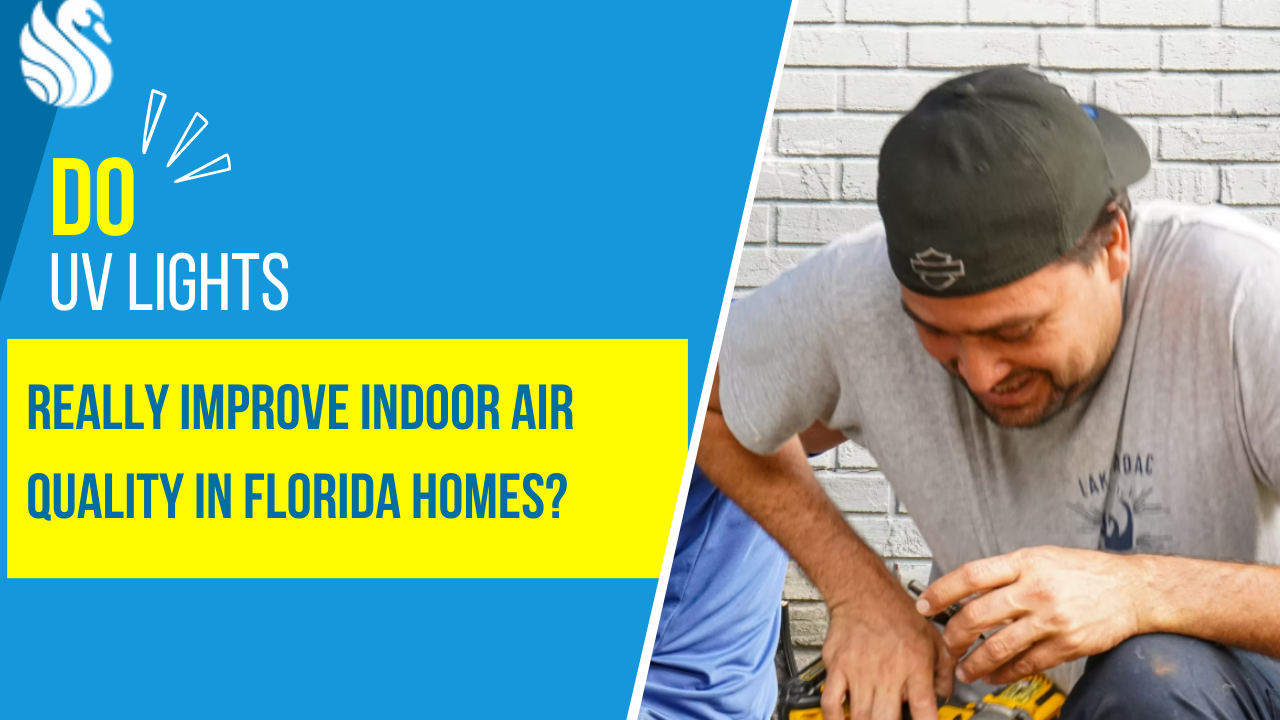
Indoor air quality is a growing concern for Florida homeowners, especially in hot, humid areas like Lakeland. If you’ve been researching UV light HVAC Florida, you’re probably wondering if these systems truly improve air quality or if they’re just another upsell.
The short answer? Yes, UV lights can be very effective in Florida homes, but only when installed correctly and for the right reasons. In this guide, we’ll explain how HVAC UV lights work, what problems they solve in Florida’s climate, and whether they’re worth it for your home.
Why Indoor Air Quality Is a Bigger Issue in Florida
Florida’s climate creates the perfect storm for indoor air quality problems.
Common Florida IAQ challenges:
- High humidity
- Mold and mildew growth
- Condensation inside HVAC systems
- Dust, pollen, and allergens
- Near year-round AC operation
Your AC doesn’t just cool your home—it can also circulate contaminants if not properly protected.
What Are HVAC UV Lights?
HVAC UV lights use ultraviolet (UV-C) light to disrupt the DNA of microorganisms.
In simple terms:
- UV light damages mold, bacteria, and viruses
- Prevents growth on coils and drain pans
- Reduces airborne contaminants
- Improves system cleanliness
These systems are installed inside your HVAC system, not in living spaces.
What UV Lights Actually Do (And Don’t Do)
What UV lights are great at:
- Killing mold and mildew on evaporator coils
- Reducing bacteria growth
- Preventing biofilm buildup
- Improving system efficiency
- Reducing musty odors
What UV lights don’t do:
- Replace air filters
- Eliminate all dust
- Remove large particles
- Replace proper ventilation
They work best as part of a complete indoor air quality strategy.
Why UV Light HVAC Systems Work Especially Well in Florida
Florida HVAC systems are uniquely vulnerable to mold growth.
Why?
- Evaporator coils stay damp
- Condensation is constant
- Warm temperatures encourage growth
- Systems run long hours
UV lights shine directly on the areas where mold starts, before it spreads through your home.
Signs UV Lights May Help Your Florida Home
You may benefit from UV lights if:
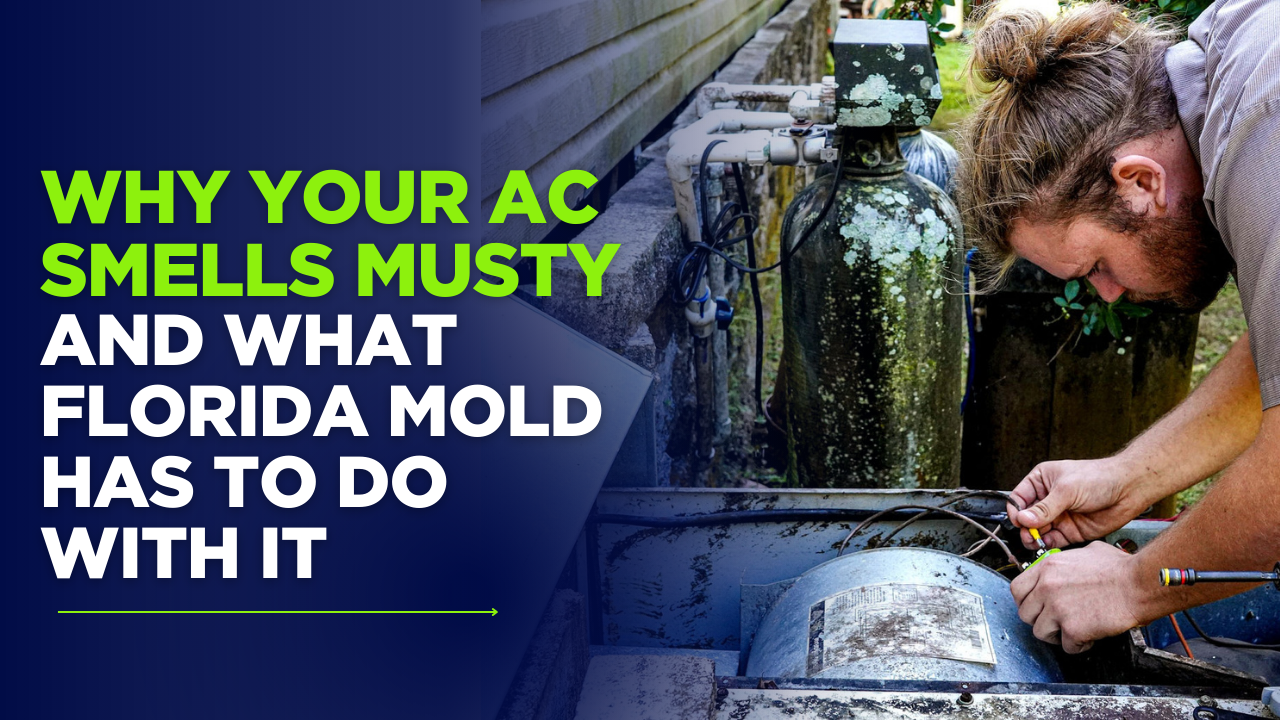
- Your AC smells musty
- Allergies worsen indoors
- You’ve had mold issues
- Your system is in a humid attic or garage
- Your coils get dirty quickly
- You want added protection for your family
Coil Sterilization vs Air Sterilization (Important Difference)
Coil sterilization UV lights
- Installed near the evaporator coil
- Prevent mold growth
- Most common for Florida homes
- Highly effective
Air sterilization UV lights
- Installed in ductwork
- Treat moving air
- Often paired with advanced filtration
Most Lakeland homes benefit most from coil sterilization systems first.
Are UV Lights Safe for Florida Homes?
Yes, when installed professionally.
Safety considerations:
- UV light is contained inside the system
- No exposure to occupants
- Proper shielding is critical
- Must be installed by licensed HVAC professionals
DIY UV installations are not recommended.
Do UV Lights Save Money?
Indirectly, yes.
UV lights help by:
- Keeping coils clean
- Improving heat transfer
- Reducing airflow restriction
- Preventing efficiency loss
Cleaner systems run more efficiently and break down less often.
Common Myths About HVAC UV Lights
❌ “They eliminate all allergens”
They reduce biological growth—not dust alone.
❌ “They’re only for hospitals”
Florida homes face hospital-level humidity challenges.
❌ “They’re a gimmick”
In humid climates, they’re one of the most effective IAQ tools available.
Why Lakeland AC Company Recommends UV Lights Carefully
We don’t recommend UV lights unless they solve a real problem.
At Lakeland AC Company, we:
- Inspect your system first
- Identify mold risk areas
- Recommend the right UV type
- Install safely and correctly
- Explain exactly what to expect
If you’re considering UV light HVAC Florida solutions and want honest advice, not a sales pitch, we’re here to help.
📞 Call Lakeland AC Company at (863) 859-4090
🕗 Open 8 AM–7 PM, 7 days a week
📍 Serving Lakeland & Polk County
Clean air starts inside your system.